Keeping one of the oldest Dutch breeds alive and healthy
The Owlbeard Preservation Alliance is a group of breeders working to restore the Dutch Owlbeard: a bearded, horn-combed bird that has been around for centuries.
Who we are
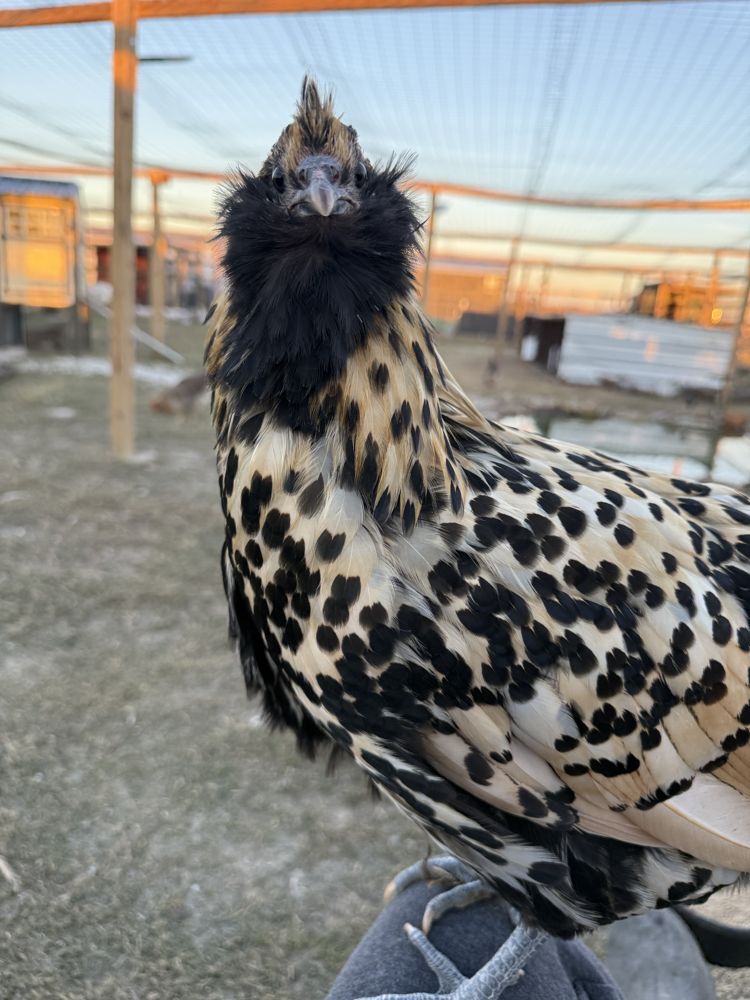
We're a small, volunteer-run nonprofit formed in Texas in 2026. Our members raise Owlbeards and work together on one goal: a healthy, sound, breeding population of this old Dutch breed here in the US.
Restore health
We breed for strong, vigorous birds first, and we cull hard for cross beak, slow or weak hatchers, and chicks that fail to thrive.
Share what we learn
Members trade breeding plans, records and birds so the work isn't sitting in one backyard.
Meet the flock
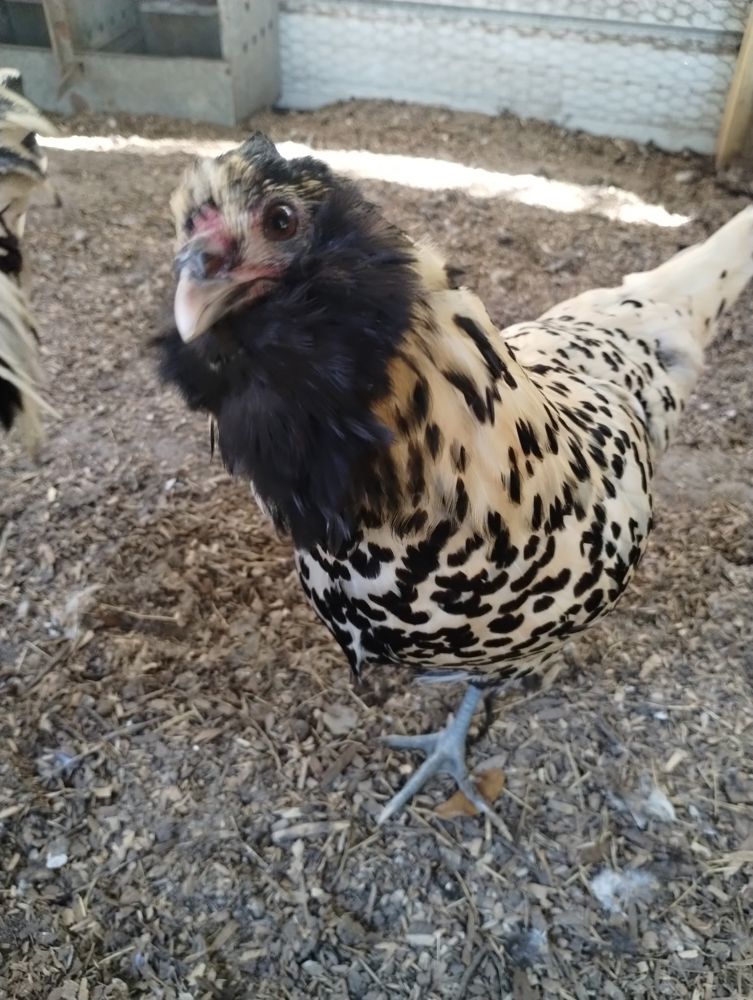
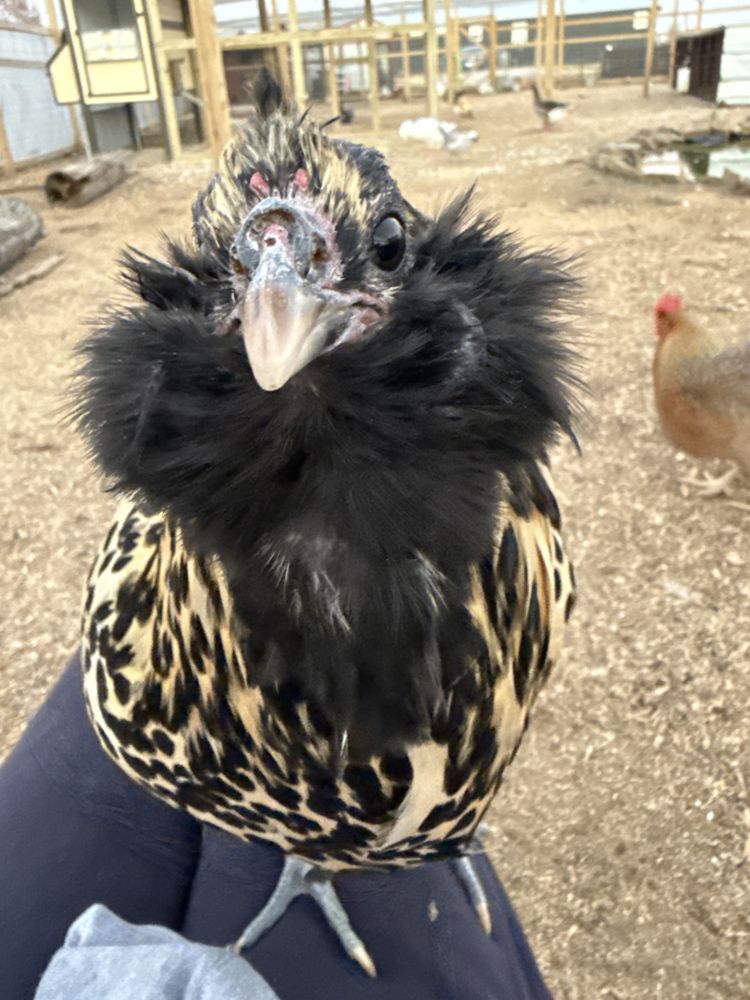
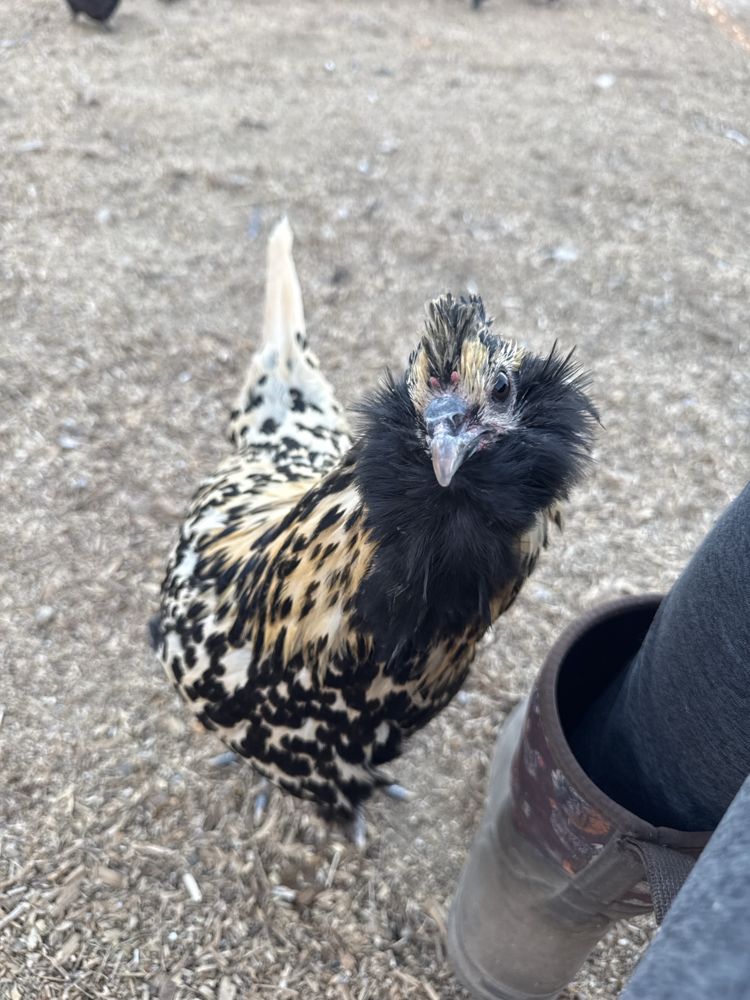
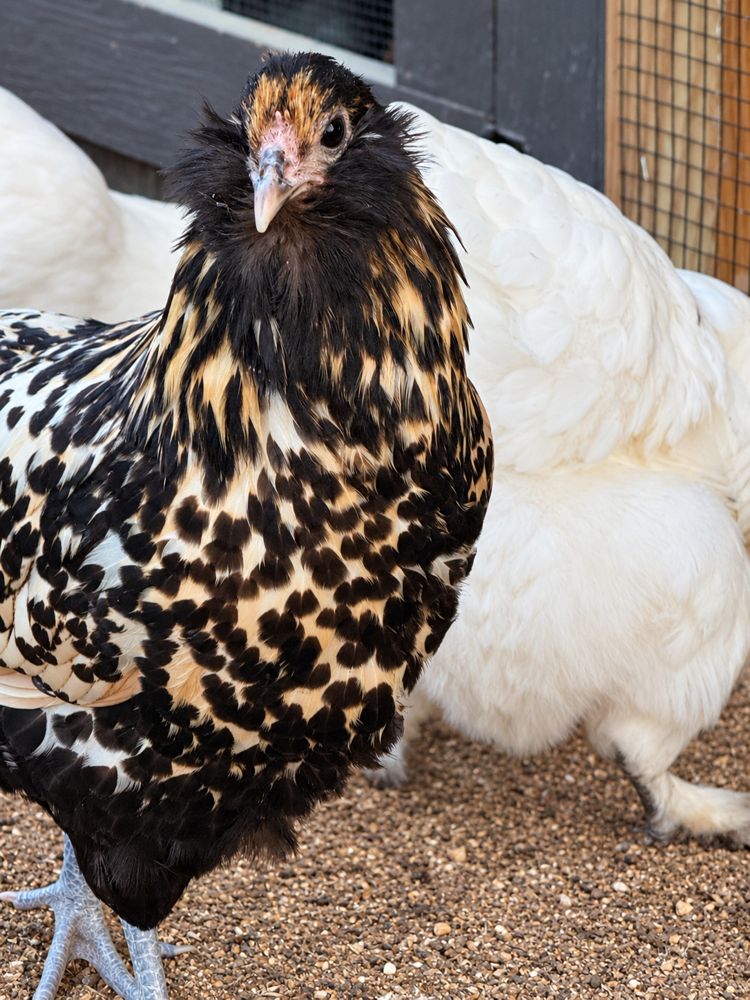
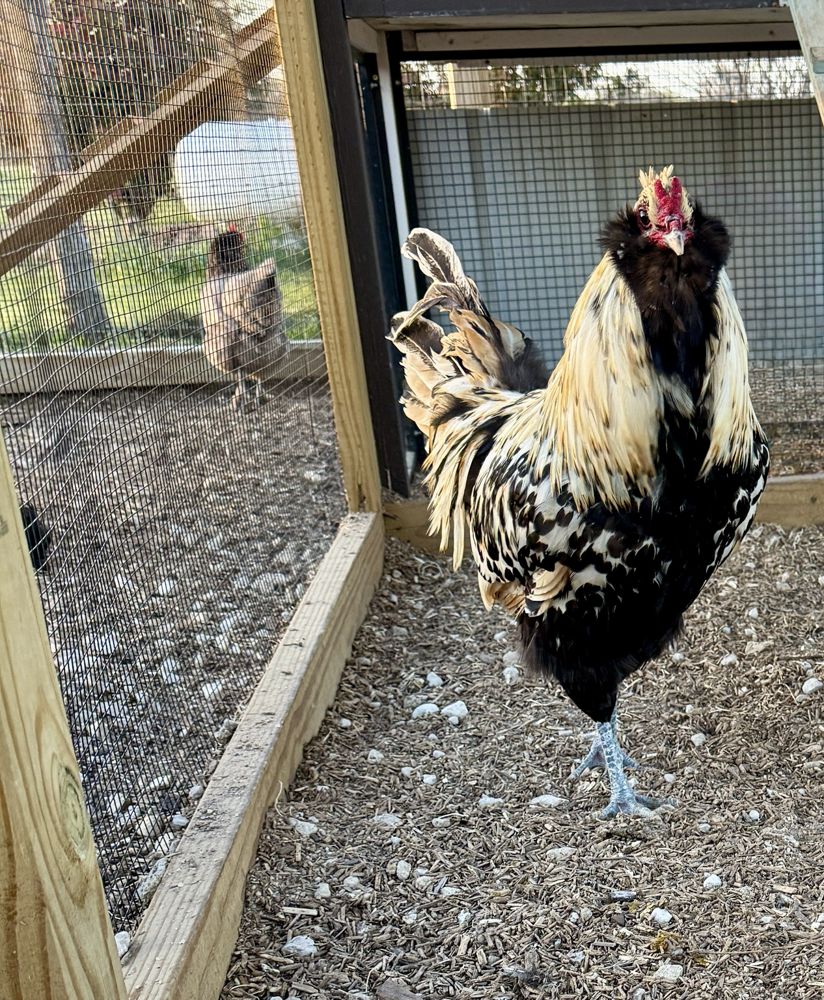
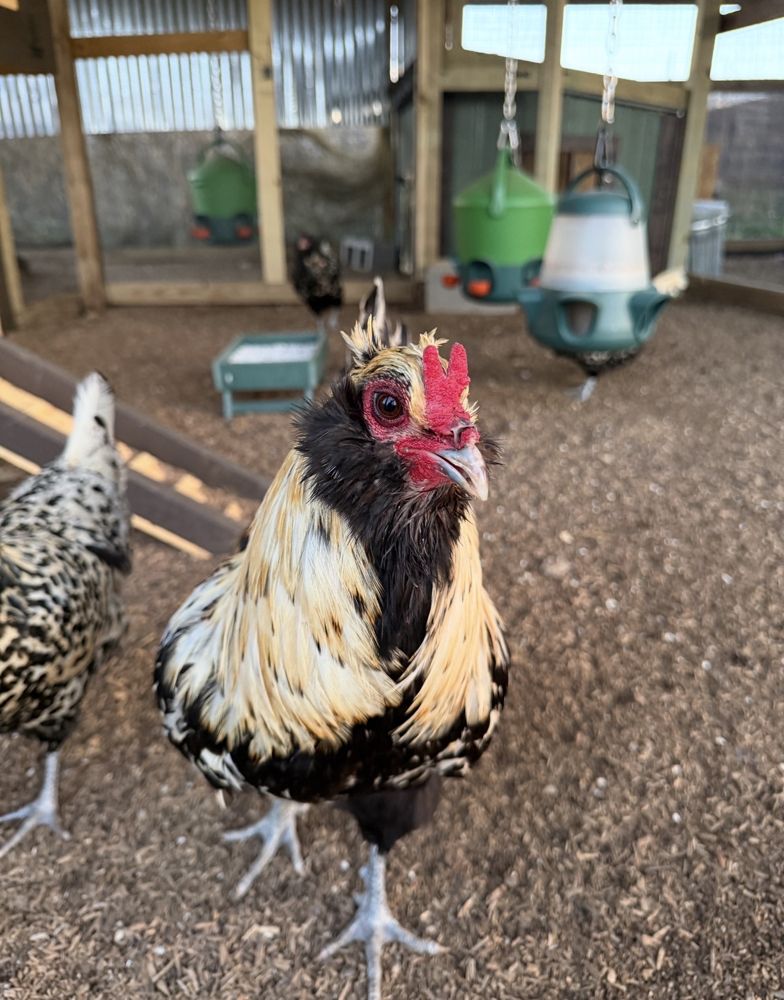
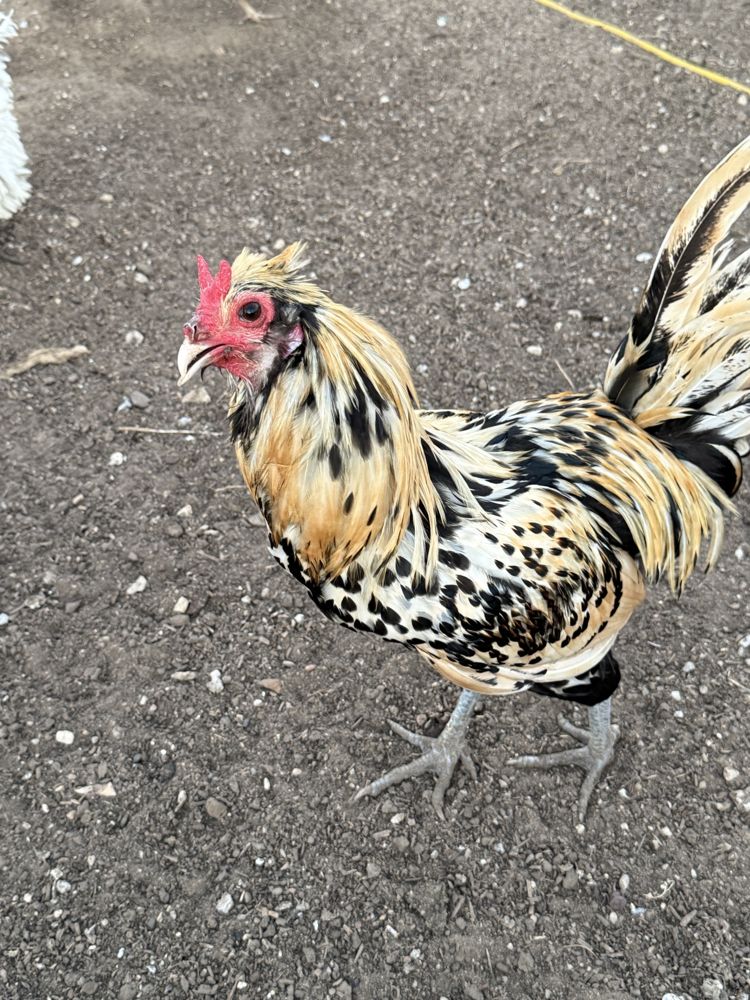
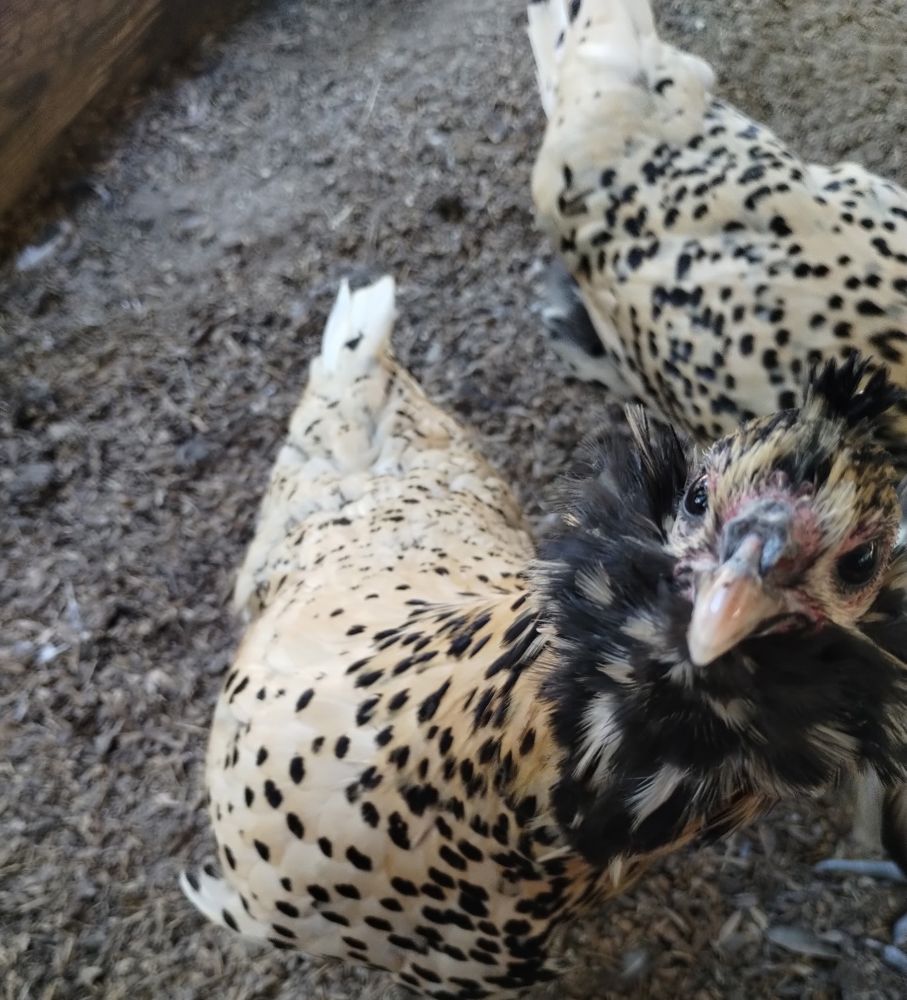
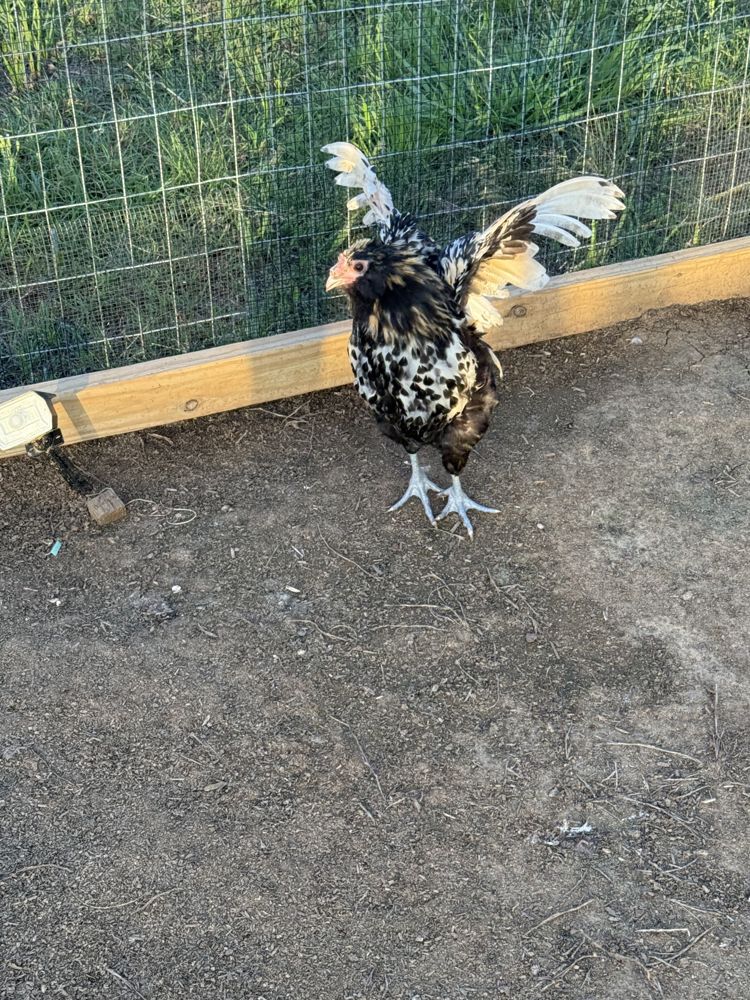
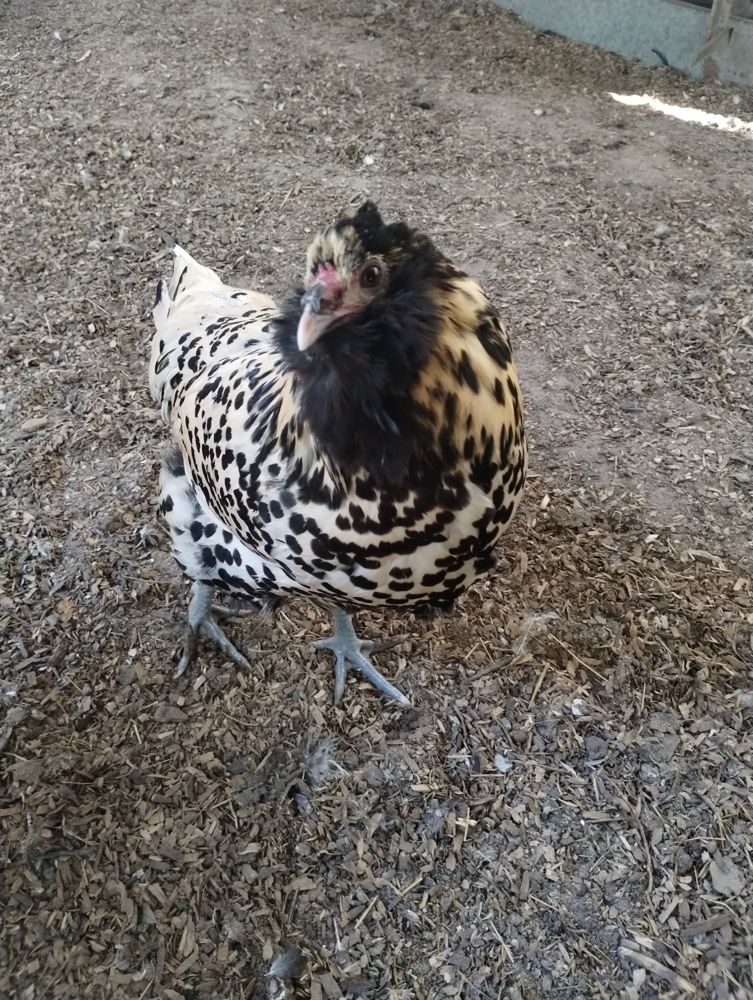
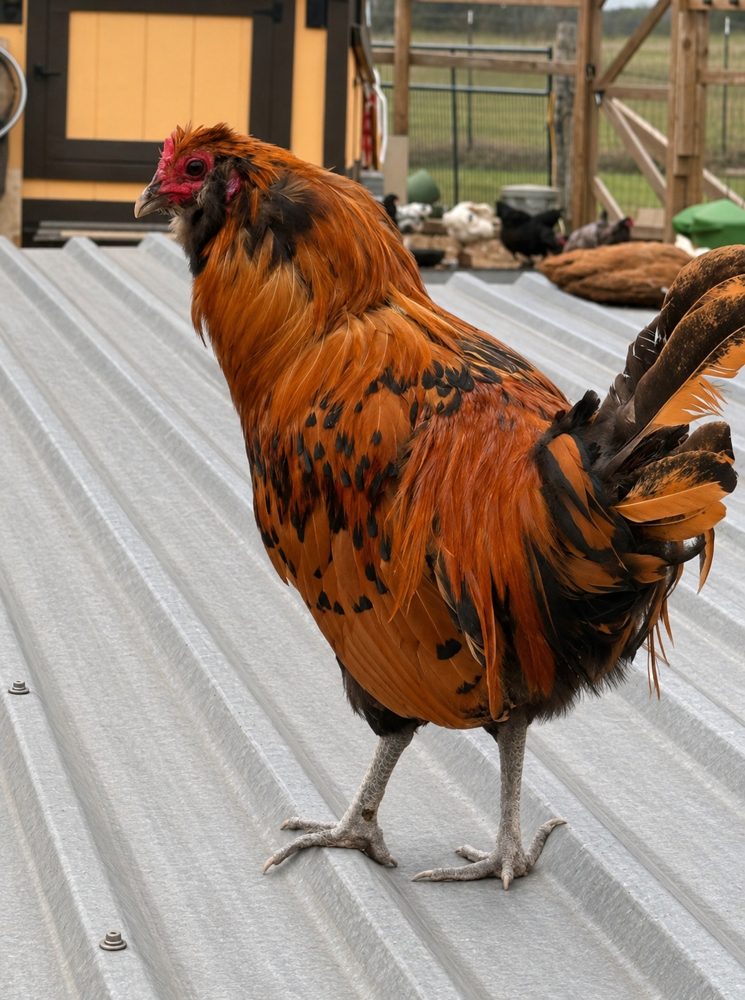
A few of the Owlbeards our members are raising.
Five hundred years of bearded chickens
The Owlbeard, called the Uilebaard in Dutch, is one of the oldest chicken breeds in the Netherlands and may be the oldest. Its name comes from the full beard and muffs that frame the face and give it an owl-like look.
Bearded, horn-combed chickens show up again and again in paintings by the Dutch masters.
Like many old breeds, the Owlbeard fell out of favor as farmers turned to more productive layers. Dutch fanciers later rebuilt it.
A bantam version of the breed was developed in the Netherlands.
The Dutch BKU club was founded to promote and protect the Owlbeard and its crested and bearded relatives.
Greenfire Farms imported large fowl Owlbeards into the US for the first time.
A rare breed with a small gene pool
Owlbeards are still very rare in the United States, and most of the birds here trace back to just a few birds. A gene pool that small shows its problems quickly.
What breeders are seeing
Cross beak, upper-beak faults, lumps on the skull, crooked toes, splayed legs, low fertility, chicks dying in the shell, weak chicks, slow growth, smaller size and birds that never really thrive are all turning up in Owlbeards across the country. Late, difficult hatches have come to be accepted as normal for Owlbeards, but they're a warning sign, not a breed trait.
Together these are classic signs of inbreeding depression, which is what happens when a breed is bred from too few birds for too long. Some color lines, silver in particular, have been very hard to keep alive.
Too few breeders
Only a handful of people in the country are working with Owlbeards. If one flock is lost, a big piece of the breed goes with it.
Our approach
We work to widen the gene pool with new, unrelated Owlbeard bloodlines, and we select hard for health in every generation. Each color is kept in its own line.
Colors we're working with
How you can help
Available birds
Member breeders sometimes have hatching eggs, chicks or started birds. Birds go only to supporters who are actively involved and follow the Alliance's breeding guidelines, to keep the breed healthy and vigorous. Prices reflect the rarity of the breed and the care that goes into raising healthy birds. Contact us to ask what's available.
Donate
Donations help pay for the birds' daily care, feed and housing, and for research into keeping the breed healthy. An online donation link is coming soon. Until then, please reach out and we'll tell you how to give.
Join us
Already raising Owlbeards, or want to? We'd like to hear from you, whatever your experience level.
Contact
Questions about the breed, birds, joining or donating? Send us a note.
Email: info@owlbeardalliance.org
Location: Texas and Florida